CBS Update: Call for Nominations for BoD+ Roles
0 comments
by
Dear CBS Members and Friends. As our annual general meeting AGM approaches we are actively seeking nominations for available spots on the Board of Directors for the CBS, the student representative, and both secretary and treasurer roles...
Reminder: Book Accommodation for CBS/CSPS/cc-CRS Meeting this June!
0 comments
by
Dear CBS Members and Friends, We have been asked to share the following message on behalf of the organizing committee for our upcoming CBS CSPS cc-CRS meeting in Vancouver, BC...
CBS/CSPS/cc-CRS 2026 Mtg - Late Breaking Abstracts
0 comments
by
Dear Canadian Biomaterials Society Members Friends, A call for late-breaking abstracts has now been released for our upcoming CBS CSPS cc-CRS 2026 meeting this June in sunny Vancouver, BC...
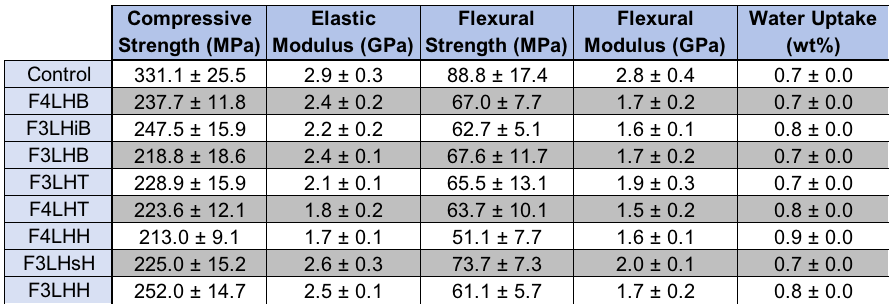
In Dentistry, resin composites are the most popular restorative materials and are used in repairing tooth damage due to congenital deformation, trauma, or decay...
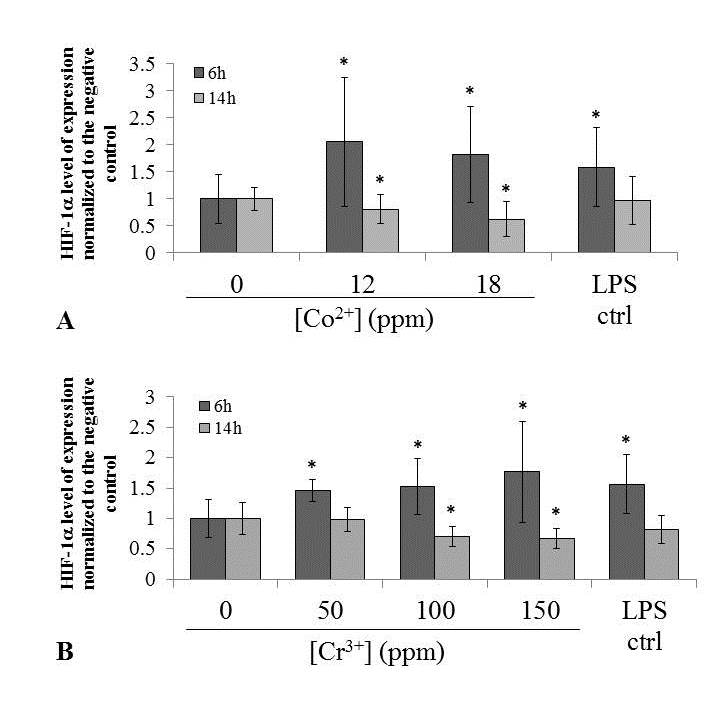
Metal by-products, including metal ions, released in greater amount from metal-on-metal MM hip implants than from metal-on-polyethylene implants are a cause for concern as they can compromise the functionality and survivorship of the implants due to adverse tissue reactions 1, 2 ...
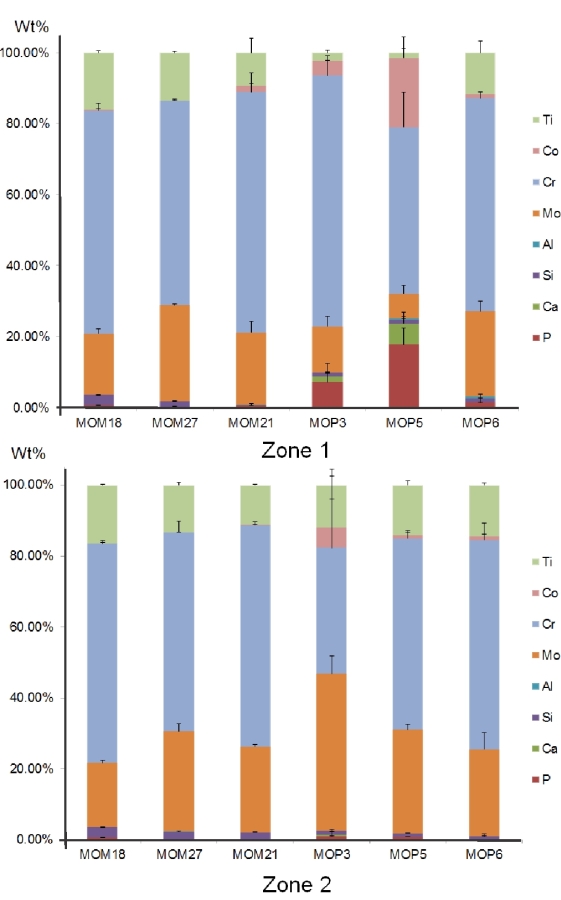
Corrosion on modular hip implants is a complicated process accelerated by mechanical abrasion. There are two types of mechanically assisted corrosion on modular hip implants - tribocorrosion from the bearing surface and fretting corrosion from modular interfaces...
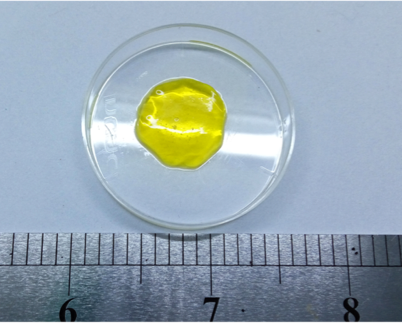
Injectable hydrogels that can be delivered using needles offer particular advantages in biomedical applications given that these hydrogels do not require invasive surgical implantation, thereby reducing recovery time for patients, reducing costs, and in many cases enabling direct encapsulation, rather than post-encapsulation, of cells during the gel formation process 1 ...
The naturally derived material small intestinal submucosa SIS is a decellularized and collagen-rich extracellular matrix material derived from the submucosal layer of porcine intestine, is widely used in clinic and preclinic research, since it remains mainly structural and functional molecules of native extracellular matrix ECM , such as collagen, hyaluronic acid, and kinds of growth factors...